What Is Recycled Nylon Ripstop? A Straight-Answer Guide to the Fabric
By Chester Takau · August 2026
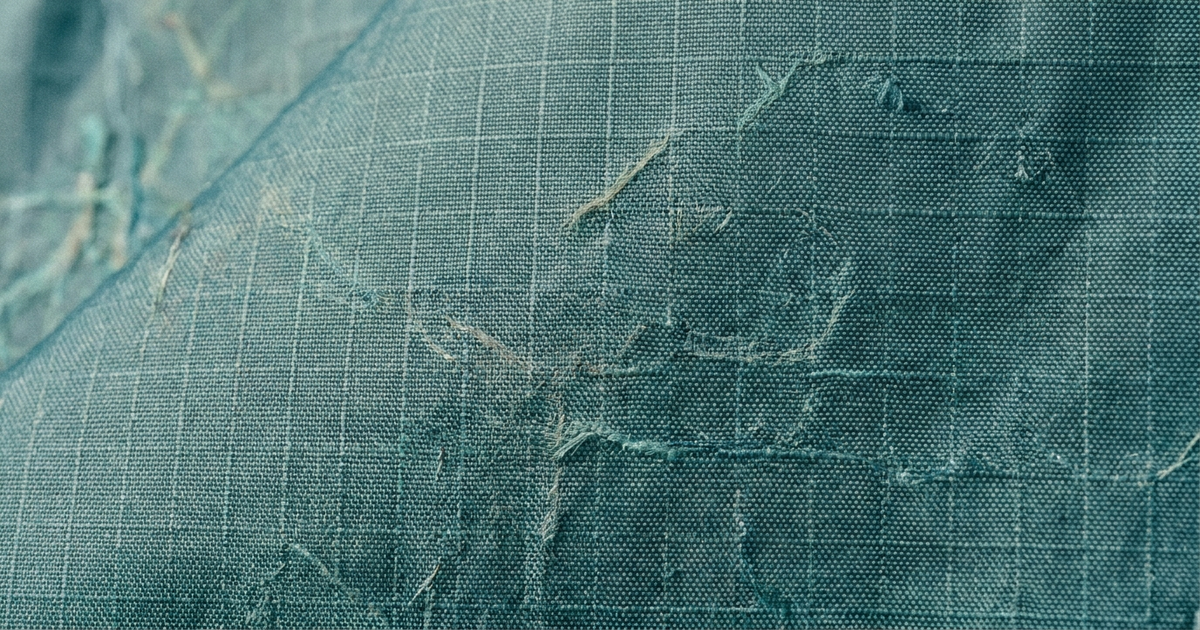
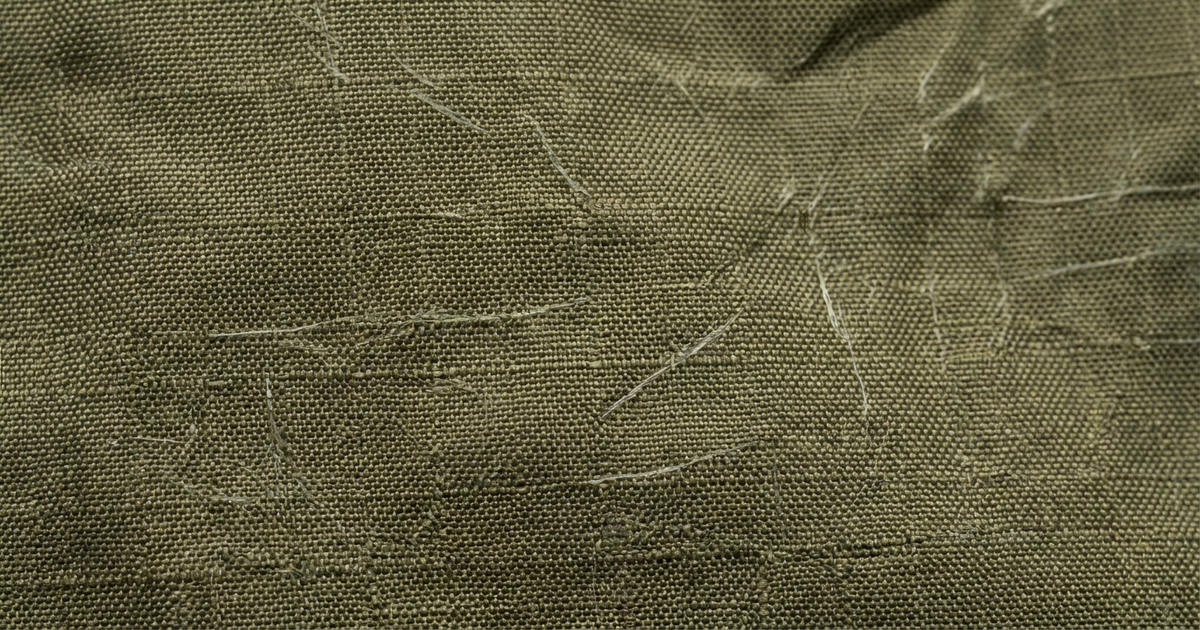
Recycled nylon ripstop is nylon fabric woven in the same grid-reinforced ripstop pattern as virgin nylon — thicker threads crossed at regular intervals so a tear stops at the next grid line instead of running the length of the panel — except the base fiber is regenerated from nylon waste instead of drawn fresh from crude oil. That waste is usually discarded fishing nets, pre-consumer factory scrap, or old carpet fiber, reprocessed back into a usable polymer under names like ECONYL® or generic "recycled nylon." The weave and the finish look and feel almost identical to virgin ripstop. What actually changes is the feedstock, the cost, and — by a measurable margin — the weight.
Chester Takau writes about sustainable school gear from a Pacific-Island perspective, decoding eco-certifications so buyers can tell real claims from greenwashing.
What is it actually made from — fishing nets, carpet, or scraps?
All three, and the source matters more than most labels admit. Pre-consumer scrap (offcuts from a nylon factory floor that never reached a customer) is the easiest and cheapest to reprocess. Post-consumer waste — old carpet, discarded fishing nets, worn-out fabric — is harder to clean and sort but closes a bigger loop. Patagonia's NetPlus program, run with the ocean-plastics group Bureo, is the clearest example: its Spring 2026 line used 250 metric tons of discarded fishing nets, part of a push that now puts recycled nylon at 94% of Patagonia's total nylon use, with less than 6% virgin nylon left in the line (Patagonia, 2026). Aquafil, the maker of ECONYL®, opened a Slovenia production line in 2025 that separates nylon fiber from elastane using a method developed with Georgia Tech — expanding what kind of waste can go back into the loop (Wikipedia: Econyl).
Does recycled nylon ripstop weigh more or tear more easily than virgin nylon?
It weighs more — recycled 6,6 pack fabrics run roughly 15-20% heavier than a virgin nylon fabric at the same denier, because the reprocessing step doesn't yet match virgin fiber-spinning for tightness and consistency. Tear strength itself holds up reasonably well at first pass, but nylon in general — recycled or virgin — is more UV-sensitive than polyester. One widely cited 36-month outdoor exposure test found nylon lost 50-60% of its tensile strength over that period, against roughly 30% for polyester (UK Fabrics Online). That's a virgin-vs-polyester comparison more than a recycled-specific one, but it sets the ceiling recycled nylon inherits.
Recycled nylon vs recycled polyester ripstop — which one should you actually buy?
| Factor | Recycled Nylon Ripstop | Recycled Polyester Ripstop |
|---|---|---|
| Common feedstock | Fishing nets, carpet, factory scrap | PET bottles, textile waste |
| Weight vs virgin equivalent | ~15-20% heavier at the same denier | Generally lighter than nylon at comparable strength |
| UV / sun exposure life | Weaker — ~50-60% tensile loss over 36 months | Stronger — ~30% tensile loss over the same period |
| Cost to recycle | Higher — technically harder to reprocess | Lower — more mature recycling infrastructure |
| Where it tends to show up | Packs, tents, tarps needing tear resistance | Shells, liners, high-UV outdoor gear |
Nylon still wins on tear strength and weight-to-strength ratio, which is why it's the default for pack fabric and tent floors. Polyester wins on UV life and cost, which is why it dominates rain shells and anything that sits in direct sun for years. Neither one is a strict upgrade — pick nylon when tear resistance is the priority, polyester when sun exposure is.
Is "recycled nylon" just greenwashing if it still sheds microplastics?
Partly a fair criticism. Recycled nylon is still plastic — it doesn't biodegrade, and it sheds microfibers in the wash the same way virgin nylon does. A greenwashing lawsuit against Nike argued exactly this: that recycled nylon and polyester products marketed as sustainable are "still plastic" and continue shedding ocean microplastics regardless of the recycled content (ASI Central, 2023). What recycled nylon does genuinely deliver is a lower production footprint — Aquafil's ECONYL® process cuts energy use by up to roughly 80% versus virgin fiber, and saves about 70,000 barrels of crude oil for every 10,000 tons produced (Aquafil ECONYL®). Recycled ≠ zero-impact. It's a real reduction in one part of the fabric's footprint, not an exemption from the rest.
How is ECONYL® different from a generic "recycled nylon" label?
ECONYL® is a branded, traceable regeneration process run by Aquafil — it's chemically depolymerized and re-spun, not just mechanically chopped and reblended, so the resulting fiber performs closer to virgin nylon than most generic recycled nylon does. Q-Nova® is a similar branded process from a different producer. A generic "recycled nylon" tag, by contrast, only tells you the fiber traces back to reprocessed waste — it says nothing about the method, the percentage, or the chain of custody. If the recycled-content claim itself needs verifying rather than just the fiber origin, the audit standard that certifies a recycled-content percentage is the certification to check for — it's the one that actually confirms a "recycled" tag isn't just marketing copy.
The demo above, from Ripstop by the Roll, shows MEMBRANE 15 ECO — billed as the first 100% recycled ultralight 15-denier ripstop nylon sold publicly by the yard — including hand-feel and downproofness, which is the kind of detail spec sheets alone don't show.
Does this matter if you're just buying a backpack, not sewing gear?
Yes — the same trade-offs apply to a finished bag, not just fabric by the yard. A backpack shell in recycled nylon ripstop will run slightly heavier than a virgin-nylon equivalent and needs the same UV caution, but it's the stronger pick for a bag that gets thrown around daily. Families choosing between materials for school gear are usually weighing exactly this durability-versus-footprint trade-off, which is the same ground our guide to schools steering families toward greener backpack choices covers from the buying side. If a laptop is going in that bag, our roundup of eco-focused laptop backpacks built for daily student use shows which current models actually use a recycled nylon or polyester ripstop shell rather than just claiming "eco" on the tag.
Sources
- Patagonia — Nylon: Virgin & Recycled (2026)
- ECONYL® by Aquafil
- Wikipedia — Econyl
- Images Magazine — Nylon Materials Collective (2026)
- Ripstop by the Roll — MEMBRANE 15 ECO
- UK Fabrics Online — Nylon or Polyester Ripstop
- Good On You — Material Guide: Nylon
Updated August 2026.
Transparency note: This article was researched and written by Chester Takau with AI assistance for research gathering and drafting. All recommendations reflect the author's own editorial judgment.
Comments
Post a Comment