Recycled Polyester vs Organic Cotton: Which Actually Wins in 2026?
By Chester Takau · July 2026
Recycled polyester diverts plastic bottles from landfill and holds up better under repeated washing, but a December 2025 study found it sheds roughly 55% more microplastic fiber per wash than virgin polyester — and the particles are smaller, so they disperse further. Organic cotton sheds no microplastic at all and breaks down naturally at the end of its life, but it takes more land and water to grow than the recycled-plastic alternative. Neither material is the clean winner the marketing on either side suggests. Which one is actually the better call depends on what you're making and where it ends up — a backpack shell, a base layer, or a pair of everyday joggers each point a different direction.
The Short Version
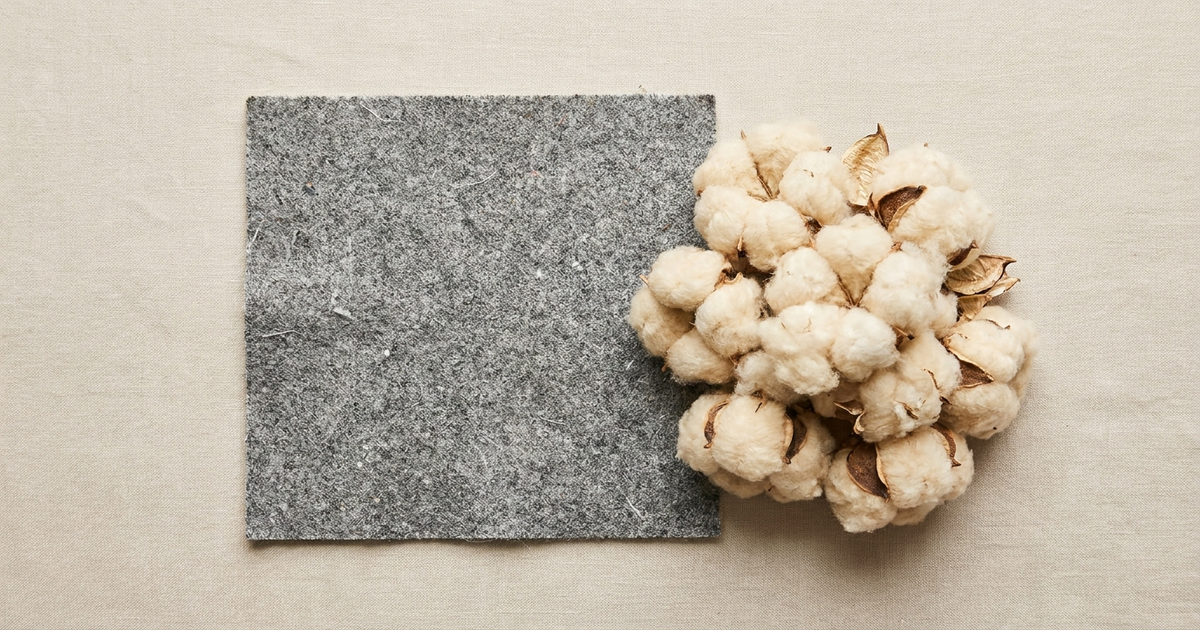
Recycled polyester (rPET) is almost always made from plastic bottles, not old clothes — about 98% of it, per Textile Exchange's 2025 market data — and a new peer-reviewed study found each round of re-recycling makes the microplastic-shedding problem worse, not better. Organic cotton avoids that entirely and is genuinely biodegradable, but it's more water- and land-intensive to grow, and it can't match rPET's wet-weather durability or drying speed. There's no universal winner: for technical, moisture-heavy gear, recycled polyester's practical case still holds up despite the shedding data. For anything against skin, base layers, or slower-turnover items, organic cotton's biodegradability is the stronger argument.
Recycled polyester vs organic cotton, side by side
| Factor | Recycled Polyester | Organic Cotton |
|---|---|---|
| Microplastic shedding | ~55% more than virgin polyester per wash (Changing Markets, Dec 2025) | None — it's a natural fiber |
| End-of-life | ~94% still intact after 32 days in wastewater; effectively landfill-permanent | Only ~8% remains after 32 days in wastewater; compostable |
| Feedstock source | ~98% PET bottles, not recycled textiles | Certified organic cotton farms (GOTS/OCS) |
| Re-recyclability | Degrades with each pass — 2nd recycle sheds ~4.3x more, 3rd ~6.2x more than virgin | Not "recycled" in the same sense — biodegrades instead |
| Wet-weather performance | Fast-drying, water-resistant, holds shape | Absorbs water, slow to dry, softer feel |
| Growing/production footprint | Lower land and water use; fossil-based (polyester is ~88% fossil-sourced) | Higher water and land use per unit of output |
Is recycled polyester actually better for the environment, or is it greenwashing?
It's more complicated than either camp admits. The Changing Markets Foundation's December 2025 report — the first study to compare microplastic shedding across major brands including Adidas, H&M, Nike, Shein, and Zara — found recycled polyester released about 55% more microplastic particles during washing than virgin polyester, and the particles it shed were nearly 20% smaller, meaning they disperse into waterways more easily. Nike's recycled polyester came out worst in the sample, shedding over 30,000 fibers per gram — roughly four times H&M's rate and seven times Zara's — with a single laundry cycle releasing up to 900,000 fibers. Puma has publicly disputed the findings, arguing recycled polyester "does not consistently shed more or less microfibers than virgin polyester," so the science isn't fully settled. But the direction of the newest data is not the direction the "recycled = green" marketing implies.
Why would recycled polyester shed more than virgin polyester?
The mechanical reprocessing that turns a PET bottle into fiber degrades the polymer chain each time it happens, and that damage compounds. A peer-reviewed study published in Environmental Science & Technology found fabric made from fiber recycled twice shed about 4.3 times more microplastic than virgin polyester, and fiber recycled three times shed roughly 6.2 times more. That's the part rarely explained to shoppers: recycled polyester isn't infinitely recyclable in any meaningful sense — each pass through the recycling process makes the fiber more fragile and more prone to breaking apart in the wash, which is the opposite of what "recycled" implies on a hang-tag.
Doesn't organic cotton use a huge amount of water? Isn't that worse?
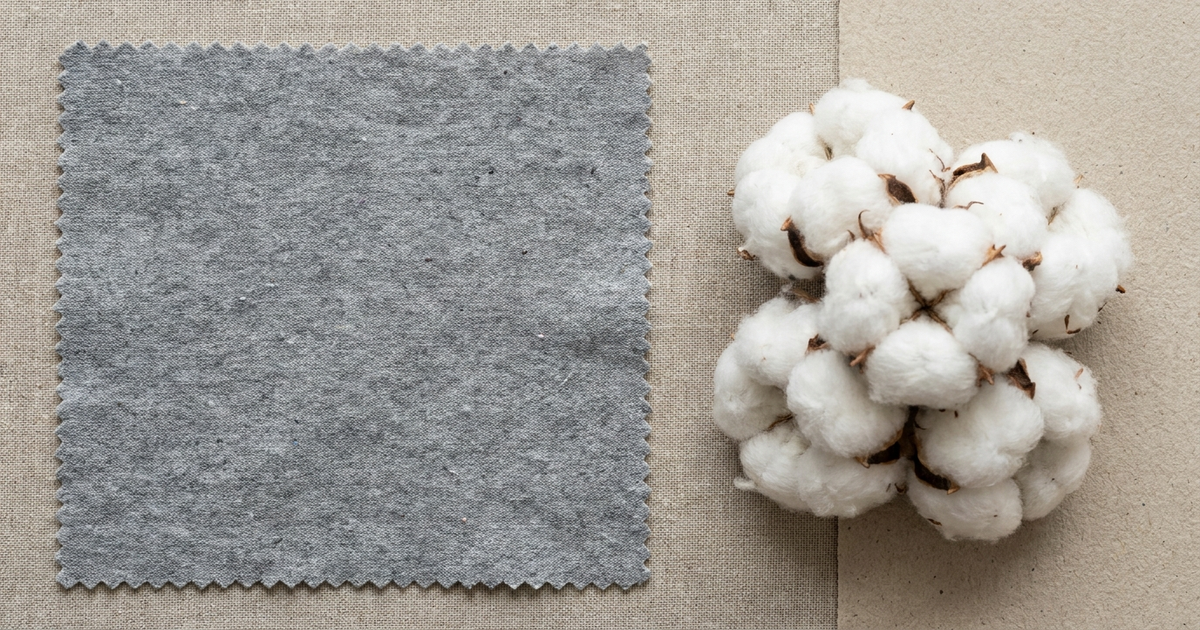
This is the fair counter-argument, and it's real. Organic cotton generally needs more land and water per unit of fabric than the recycled-plastic alternative, since it's a crop rather than a byproduct of an existing waste stream. Where organic cotton pulls ahead is what happens after you're done with it: Ecotextile News reported that only about 8% of a cotton sample remained after 32 days in a wastewater biodegradation test, compared with roughly 94% of a polyester sample still intact after the same period. So the honest framing is a trade-off, not a verdict — cotton costs more to grow and less to get rid of; recycled polyester is the reverse.
Can recycled polyester be recycled again, or is it a one-time thing?
Technically yes, but each cycle makes the fiber weaker and the shedding worse, per the ES&T findings above. There's also a supply problem underneath the marketing: Textile Exchange's Materials Market Report 2025 found recycled polyester grew from about 8.9 million tonnes in 2023 to 9.3 million tonnes in 2024, yet its share of total fiber production actually fell from 12.5% to 12%, because virgin polyester production grew even faster. And since roughly 98% of that recycled polyester still comes from PET bottles rather than old garments, buying an rPET product pulls a bottle out of an existing, genuinely closed bottle-to-bottle recycling loop and turns it into a garment that usually can't go back into any loop at all. If chain-of-custody and recycled-content claims matter to you when you're comparing labels, our guide to the standard that verifies recycled polyester's chain of custody walks through what a certification number actually confirms and what it doesn't.
Is a cotton/poly blend the worst of both worlds?
For end-of-life, largely yes. A 50/50 cotton-poly blend can't be cleanly separated by most recycling streams, so it typically ends up landfilled like pure polyester rather than composted like pure cotton — you get the durability of the blend without the biodegradability of the cotton half. Some suppliers argue blends earn their place on performance grounds — better drape, less shrinkage, cheaper production — but that's a manufacturing argument, not an end-of-life one. If sustainability at disposal is the priority, a single-material fabric is the more honest choice than a blend, regardless of which single material you pick.
Which is better for gym gear vs everyday backpacks and tees?
Use case does most of the deciding here. Recycled polyester's moisture-wicking, fast-drying, shape-holding properties are genuinely useful for activewear, rain-exposed backpack shells, and anything that gets washed often under heavy sweat load — the microplastic cost is real, but so is the practical case for a technical fabric that doesn't sag when wet. Organic cotton makes more sense for everyday tees, liners, and anything sitting directly against skin for hours, where softness and breathability matter more than wicking performance, and where the item is more likely to eventually get thrown out than washed hundreds of times first. For a bag's fabric body specifically, that's the same calculus our breakdown of what organic-cotton backpack certification actually covers gets into when it separates the certified fabric from what it doesn't touch, like the zippers and coatings.
The video above walks through the same "is this really green, or just a greener-sounding plastic" question this article is built around — worth watching if you want the bottle-to-fabric pipeline explained visually before you decide which material fits your next purchase.
What actually happens to each fabric at end of life?
Organic cotton composts or biodegrades in a matter of weeks to months under the right conditions, consistent with the 8%-remaining-after-32-days figure above. Recycled polyester behaves like any other polyester at disposal — it's still a petroleum-derived plastic, and the UN has flagged polyester generally as carrying high climate and pollution costs across its full lifecycle, from fossil extraction through to a landfill life measured in centuries, not months. Recycling the fabric again is possible in theory but rare in practice, since most municipal systems aren't set up to separate and reprocess worn garments the way they handle bottles.
How do I read labels like GOTS, GRS, and rPET?
"rPET" or "recycled polyester" on a tag just means the polyester fiber traces back to reprocessed plastic — it says nothing about how many times it's been reprocessed, which is the detail that actually predicts shedding. GRS (Global Recycled Standard) verifies the recycled content percentage and traces it through the supply chain, but doesn't grade durability or shedding either. GOTS applies only to organic fiber — cotton, not plastic — and covers both the organic-growing standard and labor conditions across the chain. None of the three labels currently disclose recycling-pass count, which is exactly the gap the newest research exposes. For context on where these materials sit in the bigger picture: polyester now makes up 59% of all fiber produced worldwide, 88% of it fossil-based, while only 34% of global cotton comes from certified sources and recycled fiber overall has stayed flat at about 7.6% of total production, per Textile Exchange's 2025 numbers.
Neither fabric is the unambiguous "sustainable" choice the marketing on either side wants it to be. Recycled polyester diverts real plastic waste and performs better in wet, heavy-use conditions, but the 2025 microplastics data means that case is weaker than it looked a year ago, especially for anything that's already been recycled more than once. Organic cotton avoids the shedding problem entirely and actually breaks down when you're done with it, at the cost of using more land and water to grow in the first place. If you're weighing which material to buy a bag in rather than just apparel, our roundup of eco-certified laptop backpacks built to survive daily use puts both fabric choices next to real durability testing rather than certification labels alone.
Transparency note: This article was researched and written by Chester Takau with AI assistance for research gathering and drafting. All recommendations reflect the author's own editorial judgment.
Related on TokMind: The Secondhand School Supplies Guide: What's Actually Worth Buying Used in 2026
Comments
Post a Comment