What Are PFAS in School Bags? The Forever Chemicals Explained
By Chester Takau · July 2026
What exactly are PFAS, and why would they be in a backpack?
PFAS stands for per- and polyfluoroalkyl substances — a family of thousands of manufactured chemicals built around a carbon-fluorine bond so strong it barely breaks down in the environment, which is where the "forever chemicals" nickname comes from. Manufacturers like that same strength for a completely different reason: coated onto fabric, PFAS make water and stains bead up and roll off instead of soaking in. That's why they turned up in outdoor gear and backpacks decades ago, long before "forever chemical" was a term parents recognized. A school bag doesn't need PFAS to hold books — it needs them (or something else) to survive a rainy walk to the bus stop without soaking through.
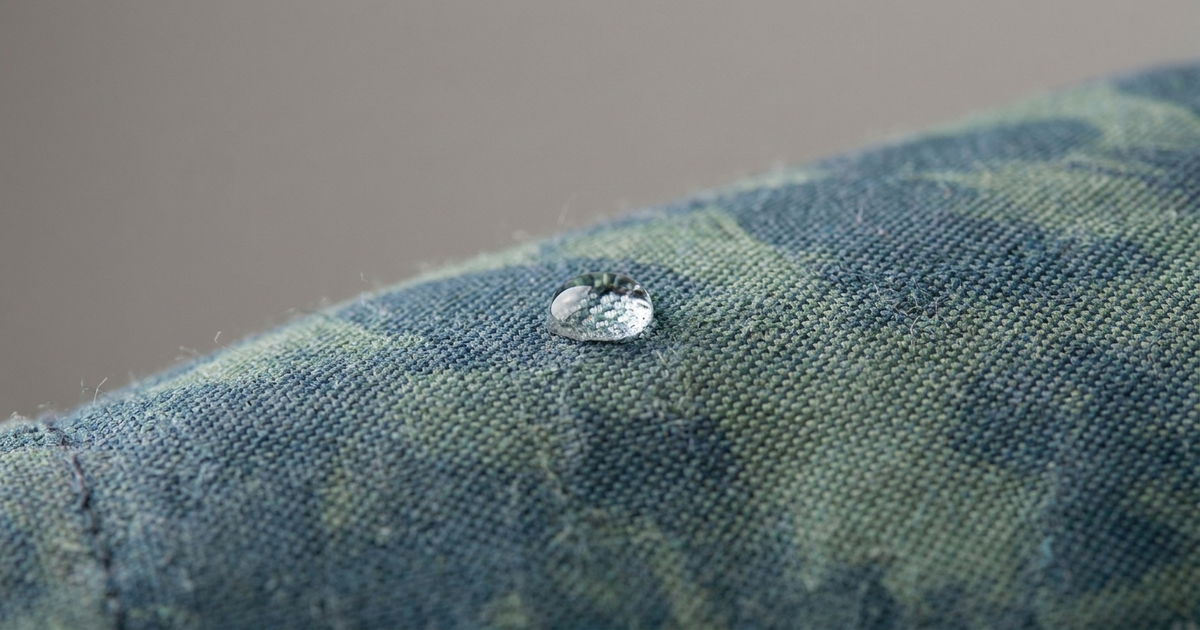
Is the water-resistant coating on my kid's bag actually the source?
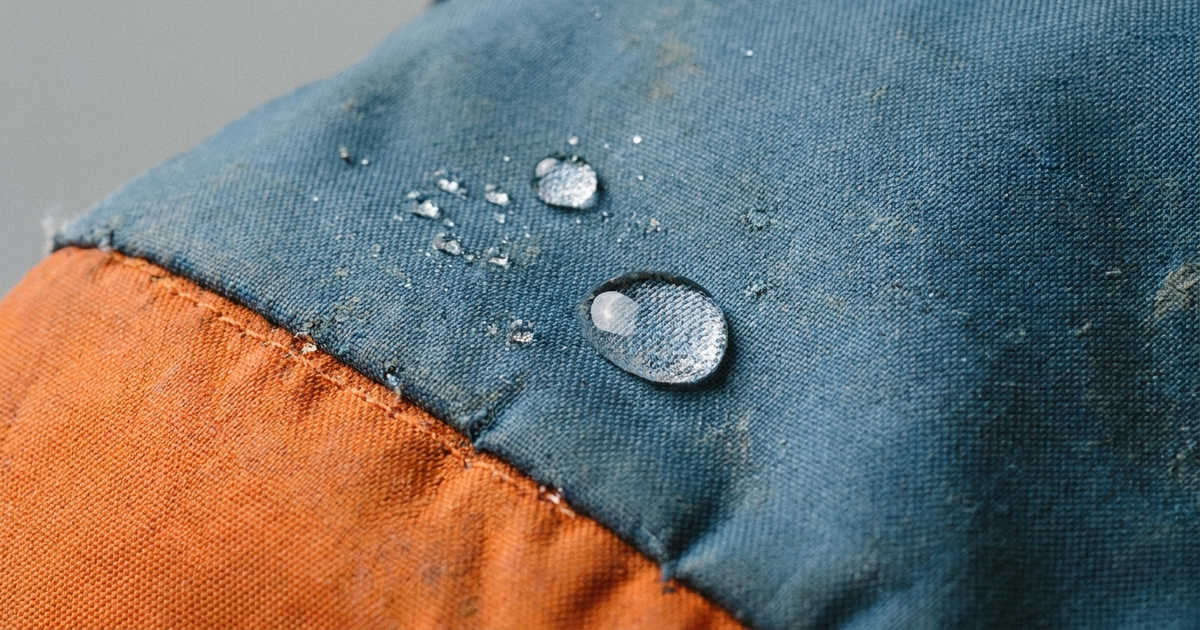
Usually, yes, if PFAS are present at all. The coating is applied to the outer shell fabric and sometimes the zipper tape as a durable water repellent (DWR) finish — it's a surface treatment, not something mixed into the base fabric fibers. In the most-cited test of the category, Mamavation and Environmental Health News sent 19 kids' backpacks from 18 brands to an EPA-certified lab in 2023: 68% came back with detectable organic fluorine (the standard marker for PFAS), ranging from 10 to 335 parts per million, and six bags tested above 100 ppm — high enough to indicate the coating was applied on purpose rather than picked up as trace contamination. (EHN) A bag with no water-resistance claim at all — plain canvas, no DWR marketing — is a much lower-probability candidate.
Can PFAS actually transfer from the bag to my child's hands or food?
This is the question parents ask most and get the vaguest answers to. The honest picture: a finished, coated fabric holds most of its PFAS bound to the surface rather than shedding it freely, so the transfer risk from touching a backpack is considered low compared with other everyday sources like drinking water, food packaging, and household dust. Some researchers argue the real exposure burden from a treated textile item happens upstream and downstream of the store shelf — during manufacturing, where workers and nearby communities face far higher exposure, and at end-of-life, when the coating breaks down in landfills or incinerators. Advocacy groups counter that "low" isn't "zero," and that children handling a bag daily, then eating lunch with the same hands, is exactly the kind of avoidable exposure pathway worth closing off rather than shrugging at. (AOL/PFAS clothing bans explainer)
The video above breaks down how DWR coatings ended up on outdoor gear and packs in the first place, and the performance-versus-health trade-off brands are still navigating — useful background if the water-resistance angle above is new to you.
What does the 2026 research actually say about kids and PFAS?
This is the year the evidence base got noticeably heavier. A Mount Sinai study published July 10, 2026 in Clinical Gastroenterology and Hepatology found prenatal and early-life PFAS exposure was consistently linked to elevated fecal calprotectin — a marker of intestinal inflammation — across three US and Mexico birth cohorts, and both legacy and newer "replacement" PFAS were implicated. (Mount Sinai) A UC Irvine-led study from April 27, 2026 linked early PFAS exposure to a higher risk of acute lymphoblastic leukemia, the most common childhood cancer. (UC Irvine) And research reported March 21, 2026 tied early exposure to lower bone density in the teen years, especially in girls. (ScienceDaily) None of these studies point to a backpack specifically — they measure cumulative exposure across food, water, dust, and consumer products — but they're the reason regulators are treating any avoidable source in children's products as worth restricting rather than waiting on.
Does "eco-friendly" or "green" on the label mean it's PFAS-free?
Not reliably, and this is one of the more consistent frustrations in independent testing. EHN and Mamavation both found bags marketed as sustainable or non-toxic still testing positive for organic fluorine, because "eco-friendly" is an unregulated marketing word that says nothing specific about chemical treatment. (EHN) Brand reputation isn't a reliable stand-in either — the same 2023 test found fluorine in bags from well-known names while some budget bags came back clean. The gap is exactly why chemical-input standards exist at all: our explainer on how certified recycled-material claims actually get verified covers the same pattern in a different corner of textile sourcing — a recognized third-party standard, not a marketing adjective, is what separates a verified claim from a vague one.
How do I tell if a backpack has PFAS if it's not on the label?
There's no reliable at-home test, so the check has to happen before you buy rather than after. Look for a specific brand statement — "no intentionally added PFAS" or a named alternative finish — rather than "water-resistant" or "eco" sitting on their own. Treat any bag marketed as waterproof or stain-proof with zero mention of what the coating actually is as the higher-risk guess. If you're shopping for something more durable than a basic tote, our roundup of eco-certified student laptop backpacks only includes bags where the manufacturer names the water-resistant finish rather than leaving it to guesswork.
Should I throw out the backpack we already own?
No — that's overkill for most families, and it isn't what the research supports. A single backpack's contribution to a child's total PFAS exposure is small next to food, water, and dust, and there's no evidence that owning one treated bag causes acute harm. Treat it as a next-purchase decision rather than an emergency one. That logic scales differently for a school buying in bulk than for one family buying one bag — a district replacing hundreds of backpacks is making hundreds of small exposure decisions at once, which is the case our guide to school-wide sustainable backpack policies walks through in more detail.
If PFAS are being banned, why are they still on shelves?
Because the bans are landing state by state, not all at once nationally. Maine's broad consumer-product PFAS restrictions and France's ban on PFAS in clothing, shoes, and cosmetics both began phasing in on January 1, 2026 — among the widest rules affecting textile products anywhere. (Safer States) New York and California's apparel-focused bans, which pushed brands like Osprey toward PFAS-free lines, took effect back in January 2025 and are still reshaping what ships to shelves today. (AOL) And the pipeline is only getting fuller: MultiState tracked roughly 100 new state PFAS bills introduced across 23 states in 2026 alone, on top of 280 carried over from 2025, with children's products and textiles a major focus. (MultiState) A bag bought in a state without a rule yet can still legally carry PFAS this back-to-school season — the label won't tell you which state's shelf it was built for.
Transparency note: This article was researched and written by Chester Takau with AI assistance for research gathering and drafting. All recommendations reflect the author's own editorial judgment.
Related on TokMind: Sustainable School Bags Australia 2026: Eco Backpacks Available at Australian Retailers
Comments
Post a Comment