What Is Bluesign? The Textile Chemical Safety Certification Explained
By Chester Takau · July 2026
What does bluesign certification actually check?
Bluesign uses what it calls Input Stream Management — it screens the chemicals, dyes, and finishing agents going into a factory, before a single meter of fabric is dyed or coated. That's the opposite of the more common approach of testing the finished product for banned substances after the fact. The bluesign system runs on two reference lists: the BSSL (Bluesign Substances List), which restricts or bans specific chemicals, and the RSL (Restricted Substances List), which sets residue limits in finished textiles. Both were revised again on July 1, 2025 (BSSL v16.0, RSL v16.0), incorporating newer toxicological research. (bluesign.com)
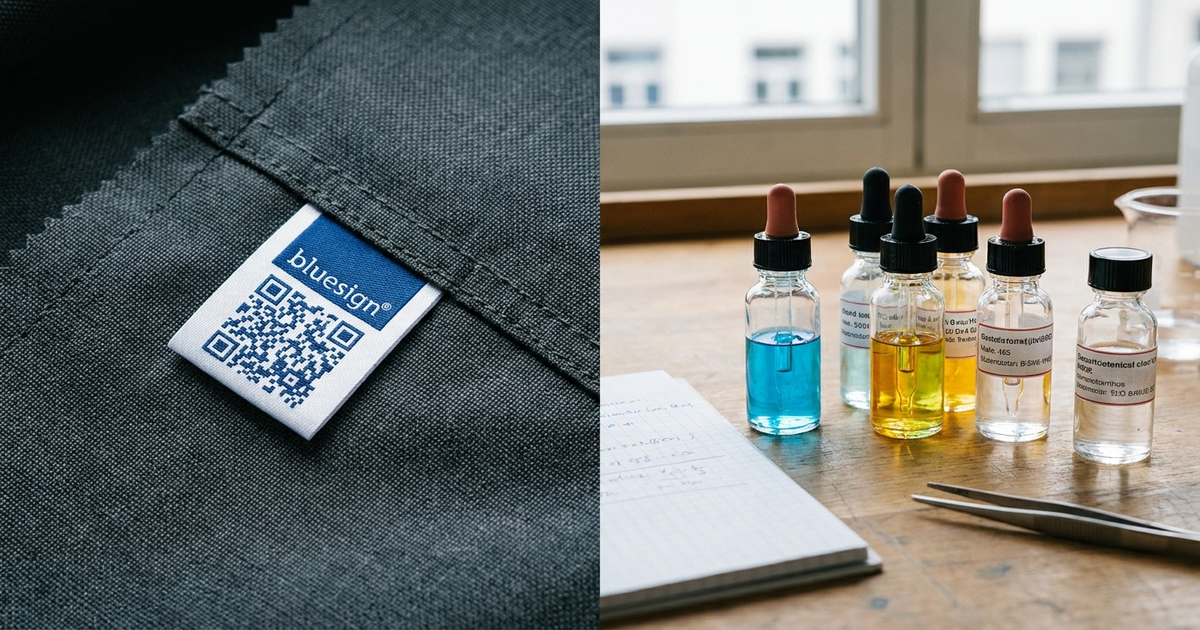
bluesign APPROVED vs. bluesign PRODUCT — what's the difference?
This is the single most common point of confusion, and it matters if you're reading a bag's spec sheet. bluesign APPROVED applies to a specific input — a fabric, a zipper tape, a dye lot — that passed the chemical screening. bluesign PRODUCT is the higher bar: it means at least 90% of the finished item's weight comes from bluesign APPROVED materials, and the manufacturing itself was audited. So a backpack tagged "bluesign APPROVED fabric" only tells you about the shell material — the buckles, webbing, or lining could be unverified. A "bluesign PRODUCT" tag is the one that covers the whole bag. (REI)
What is bluepass, and why did the label change?
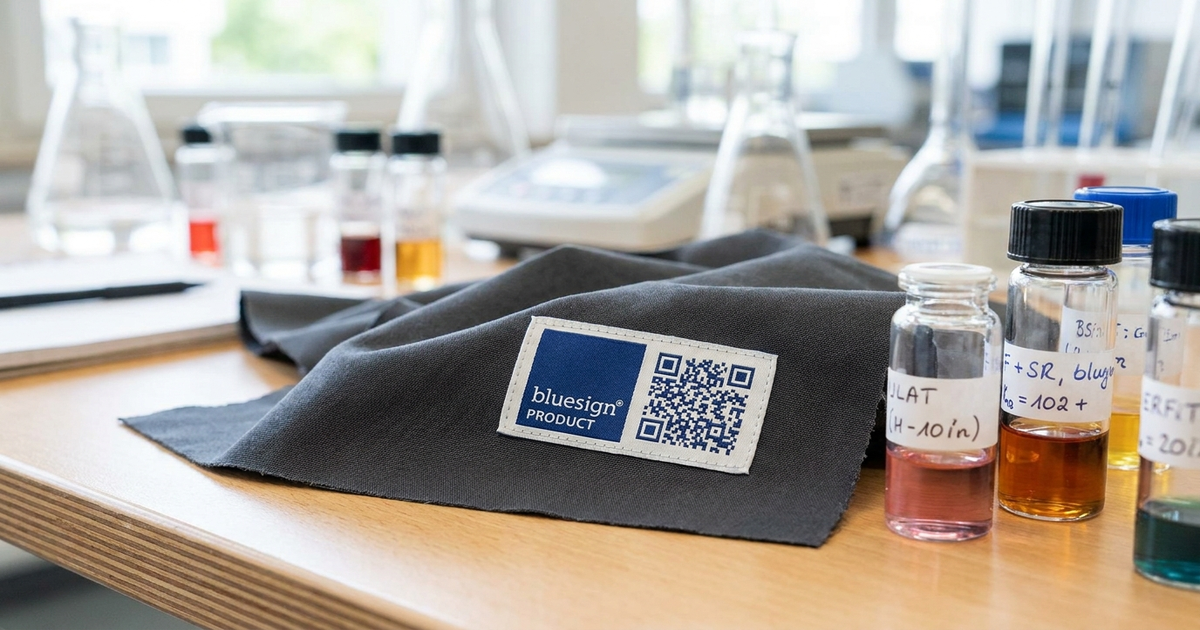
In April 2026, bluesign rolled out bluepass, a single unified label replacing the separate APPROVED and PRODUCT marks. Every bluepass label carries a QR code linking to a bluesign-controlled verification page, so a shopper can scan the tag and see exactly what was certified rather than taking the seal on faith. It's being rolled out across bluesign's network of 900+ system partners through 2026. The timing isn't a coincidence — the EU's Empowering Consumers for the Green Transition directive, which takes effect in September 2026, requires sustainability claims to be backed by accessible evidence, and bluepass is bluesign's answer to that plus the EU's upcoming Digital Product Passport rules. (WWD/Sourcing Journal, Ecotextile)
bluesign's own explainer above walks through Input Stream Management from the chemical supplier's side, which is useful if you want to see how far upstream the screening actually starts — well before a factory ever touches the fabric.
Does bluesign mean the fabric is PFAS-free?
As of January 2026, yes — for anything carrying the bluesign APPROVED or bluesign PRODUCT (now bluepass) mark. PFAS, the "forever chemicals" used for water resistance in outdoor gear, are now completely banned from bluesign-certified materials, not just restricted. That's newer than most people assume; earlier bluesign lists only partially restricted certain PFAS compounds, so a bag certified a few years ago under the old rules may have used a since-banned chemical. If PFAS-free is the specific thing you're shopping for, a current bluepass label is one of the more reliable signals in outdoor gear right now. (Green Guide Hub)
bluesign vs. OEKO-TEX vs. GOTS — which one should I actually care about?
They're not competing for the same claim, so "which is best" is the wrong question. OEKO-TEX Standard 100 tests the finished textile for a defined list of harmful substances — it's the one to look for on baby clothes and anything worn against skin. GOTS (Global Organic Textile Standard) certifies organic fiber content plus processing and labor standards — relevant if the fiber itself (cotton, wool) is what you care about. Bluesign is the deepest on chemical management specifically, because it screens inputs before manufacturing rather than testing the output — which is why it's the standard most associated with technical and outdoor gear (jackets, packs, tents) rather than everyday apparel. For a backpack's synthetic shell fabric, bluesign is the most relevant of the three; for organic cotton totes, GOTS matters more. (JF Apparel)
Is bluesign legit, or is it greenwashing?
Both critiques and defenses have real substance here, and the honest answer sits in the middle. On the credibility side: bluesign's BSSL restricts over 800 substances, it's independently audited, and its GUIDE database of certified partners has been public and searchable since 2023 — that's more transparency than most textile standards offer. On the criticism side, the Changing Markets Foundation's License to Greenwash report named bluesign among certifications it argues suffer from "a lack of ambition, accountability and oversight," and a separate, narrower complaint holds up too: bluesign only governs chemical inputs. It says nothing about overproduction, microplastic shedding into waterways, or how long a product lasts. A chemically clean backpack that falls apart in a year isn't a sustainability win by any other measure. Bluesign is a real, audited chemical-safety standard — not a stand-in for "this product is broadly sustainable." (Cikis Studio)
Bluesign sits alongside two other certifications in TokMind's glossary: GRS certification, which verifies recycled material content rather than chemical safety, and B Corp certification, which audits a company's overall governance and social impact rather than any single material or input. None of the three substitutes for the others — checking which one a product's marketing is actually pointing to is worth the extra thirty seconds before assuming "certified" means the whole picture is covered.
Transparency note: This article was researched and written by Chester Takau with AI assistance for research gathering and drafting. All recommendations reflect the author's own editorial judgment.
Comments
Post a Comment