The PFAS Free Backpacks Guide: Which Brands Actually Test Clean in 2026
By Chester Takau · July 2026
Is a "waterproof" or "water-resistant" backpack automatically full of PFAS?
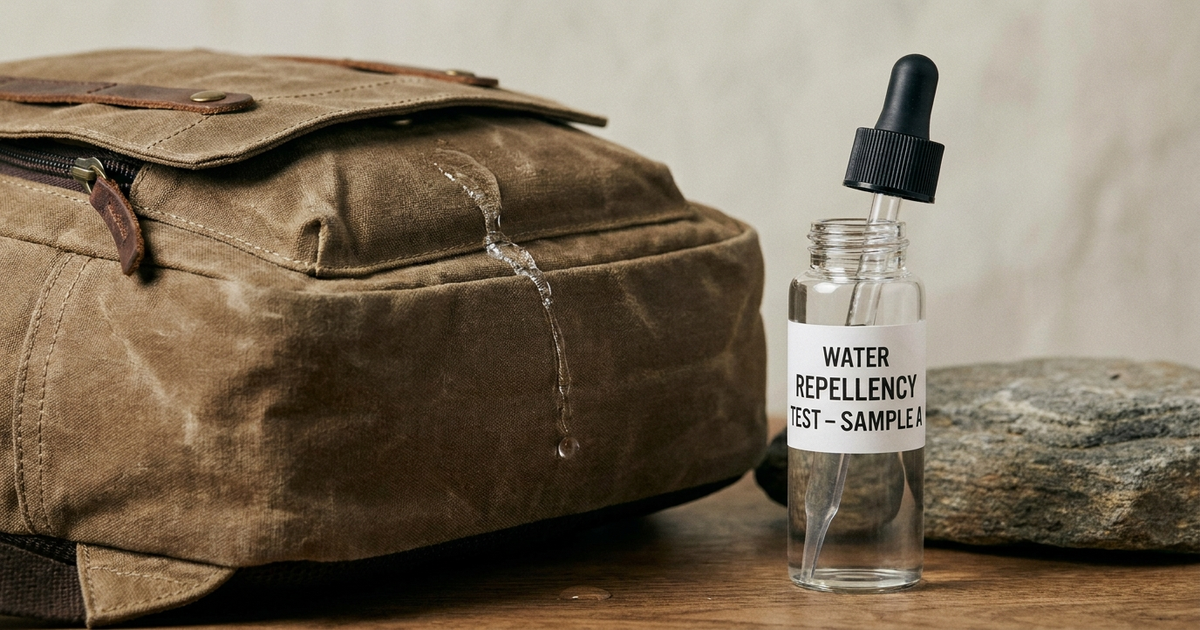
Not automatically, but it's the right thing to be suspicious of. For decades, the cheapest way to make a fabric shed water was a durable water repellent (DWR) coating built on fluorinated compounds — PFAS. That's still common, but it's no longer the only option. Fjällräven's Vinylon F fabric gets its water resistance from a wax treatment rather than a chemical coating, and the brand finished phasing PFAS out of its zippers in 2025, on top of a fabric commitment that already predates that. (The Filtery) The practical rule: "water-resistant" on a hang-tag tells you nothing about the chemistry underneath it, and you have to look for what replaced the coating, not just whether one exists.
Which backpack brands are actually PFAS-free vs. just marketed as "non-toxic"?
The brands that show up repeatedly across independent non-toxic gear lists as genuinely PFAS-free, not just vaguely "eco," are Fjällräven (Kånken and its Vinylon F line), Terra Thread's organic cotton canvas packs, Deuter, Osprey, and Patagonia's PFC-free product range. (The Filtery) More recently, Black Ember says it has eliminated PFAS from its supply chain with a proprietary EmberTex fabric, and Geckobrands relaunched its waterproof drawstring pack as PFAS-free in 2025. (Black Ember) The catch is that there's still no single, standardized "PFAS-free" seal the way there is for recycled content — our recycled-material certification standard explainer covers what a genuinely audited label looks like, which is exactly the kind of third-party verification the PFAS-free claim space is still missing. Until something equivalent exists for chemical safety, a specific ingredient statement from a brand is worth more than the word "non-toxic" on its own.
Are JanSport, Nike, and REI backpacks safe, or do they contain PFAS?
In the Mamavation and Environmental Health News test — 19 backpacks from 18 brands, run through an EPA-certified lab in 2023 — JanSport, Nike, and REI packs were among those that came back with detectable organic fluorine. (Mamavation) That surprised a lot of shoppers who assumed brand reputation or price predicted safety. It didn't: a couple of Adidas and Columbia backpacks in the same test came back clean, at budget price points well under the premium "eco" bags. (EHN) If you're shopping on a budget, that result matters — going PFAS-free doesn't require the $150 bag, it requires checking the specific model, not the logo.
Does "PFC-free" on a label mean the same thing as PFAS-free?
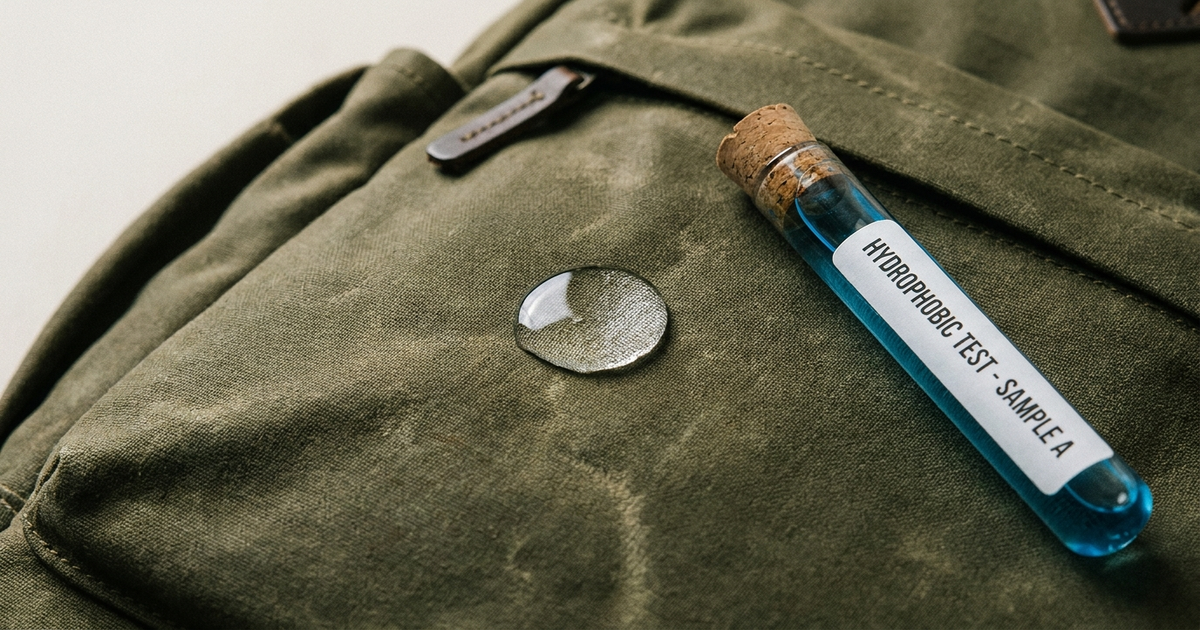
Not reliably. PFAS is a huge chemical family — thousands of compounds — and "PFC-free" (perfluorinated compound-free) has historically been used by some brands to mean only the older, long-chain compounds were removed, while newer short-chain PFAS or other fluorinated substitutes stayed in the fabric. A label that just says "PFC-free" without naming what replaced the old coating is worth a follow-up question to the brand. This ambiguity is also part of why lawsuits over these claims have picked up: cheap "total organic fluorine" screening now lets anyone test a product and file a claim, and 2026 has already seen a surge of PFAS demand letters against textile and accessory brands. (Buchalter) Courts have started pushing back on some of those cases, ruling that fluorine screening alone can be a shaky basis for a false-advertising claim, since fluorine can show up from contamination rather than an intentional coating. (Thompson Coburn) That legal fight is exactly why a specific brand statement beats a marketing word every time.
The video above walks through why outdoor gear leaned on PFAS coatings in the first place and what buyers should actually look for instead — useful background if the DWR-vs-wax distinction above is new to you.
What's a PFAS-free alternative to a DWR coating?
Wax is the main one, and it's older than PFAS by a long way. Waxed canvas — cotton treated with paraffin or beeswax — sheds rain by making the fibers hydrophobic rather than laminating a chemical film onto them, and it's re-treatable at home: rubbing a soy or beeswax bar into worn spots and warming it with a hairdryer restores water resistance without any fluorinated chemistry. It's not identical to a fresh PFAS DWR in a downpour — wax needs periodic reapplication and adds a bit of stiffness and weight — but for daily commuting or school-run rain, it holds up fine. Non-fluorinated DWR sprays are the other route, now standard on most updated outdoor lines, though they generally need reapplying more often than the PFAS versions they replaced. (Bikepacking.com)
Do I need to replace a backpack I already own, or is the exposure risk low?
You don't need to panic-replace it. A single backpack's PFAS contribution to your overall exposure is small next to sources like drinking water and food packaging, and there's no evidence that owning one PFAS-treated bag causes acute harm. The more useful move is treating it as a next-purchase decision rather than an emergency one — and if you're buying for a school rather than one child, that decision compounds. Bulk purchasing is where the leverage really is: our guide to how schools can build sustainable backpack policies covers what changes when a school, not just a parent, is setting the standard for what gets carried through the gate every day.
What does the 2026 PFAS crackdown actually mean for backpack shoppers?
More disclosure is coming, but it's phasing in unevenly by state. Minnesota's manufacturer-reporting law takes effect this month — July 2026 — and is the broadest PFAS disclosure mandate anywhere, requiring makers to report intentionally added PFAS in products sold into the state, textiles included. (Safer States) California's AB 1817 bans new textile and apparel items — backpacks included — with intentionally added PFAS or total organic fluorine above 100 ppm this year, tightening to 50 ppm in 2027. (Buchalter) At least 31 states are expected to consider some form of PFAS policy this year, making 2026 the most active regulatory stretch yet on this issue. (Safer States) Practically, this means labels should get more trustworthy over the next year or two — but until enforcement catches up everywhere, a specific brand statement still beats assuming the law already covers what you're buying.
How can I check a backpack for PFAS without sending it to a lab?
There's no reliable at-home test, so the check has to happen before you buy. Look for a brand statement that names PFAS specifically — "no intentionally added PFAS" or an ingredient-level claim — rather than "eco-friendly" or "non-toxic" on their own, which carry no legal weight. Treat vague marketing on an otherwise-unremarkable synthetic bag as a yellow flag, and remember that price isn't a reliable signal either way: the 2023 test found premium brands testing positive and budget brands testing clean in the same batch. (Mamavation) If you're shopping for a laptop bag specifically, our laptop backpack buying guide for students covers eco-certified options with the padding and durability to match, so PFAS-free doesn't come at the cost of protecting the gear inside.
Transparency note: This article was researched and written by Chester Takau with AI assistance for research gathering and drafting. All recommendations reflect the author's own editorial judgment.
Related on TokMind: Water Repellent Coatings Without PFAS: Which Technologies Actually Work in 2026
Comments
Post a Comment